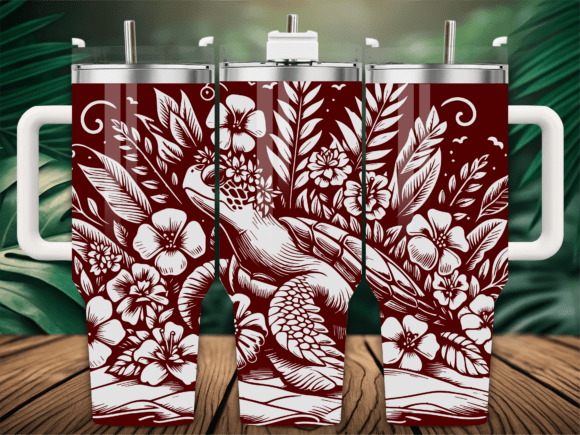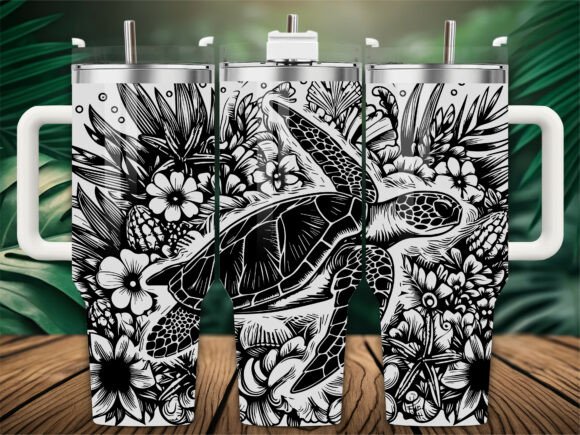
Tropical Flower Sea Turtle Graphics for Crafts & Publishing
When I first opened the Tropical Flower Sea Turtle design asset during a routine content planning session, I immediately recognized its potential for editorial and website use. As someone who has designed blog layouts, built lead magnets, and produced social media graphics for clients across multiple niches, I have learned to evaluate design assets not just for their beauty but for their real-world utility in a publishing workflow. This particular graphic design asset offers something that many decorative files do not: a clear sense of editorial mood and a structure that adapts surprisingly well to both digital content and printable design projects.
First Impressions and Editorial Mood
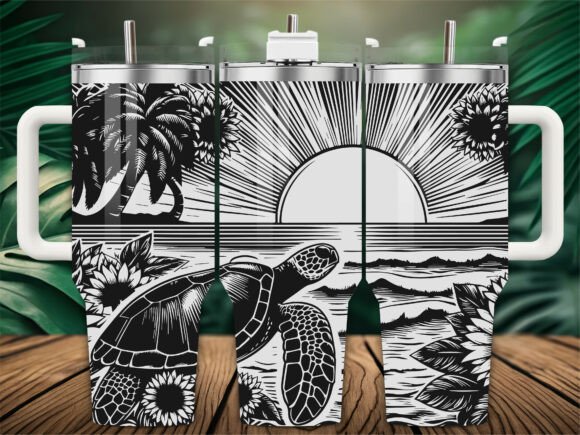
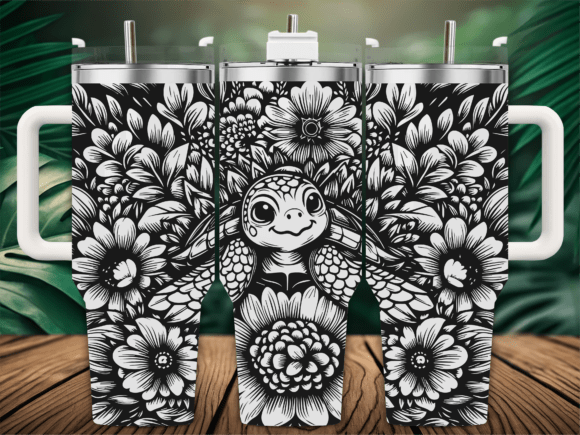
The Tropical Flower Sea Turtle delivers a visual tone that sits at the intersection of modern design and natural warmth. The combination of floral elements with the sea turtle silhouette creates a balanced composition that feels both artistic and purposeful. This is not a generic tropical clip art file. It carries a polished, lifestyle-oriented energy that works well for content focused on travel, ocean conservation, wellness, sustainable living, creative journaling, or seasonal storytelling. The mood is inviting and slightly playful but never childish, making it appropriate for audiences ranging from young adult readers to professional subscribers.
For a blog designer evaluating graphic design assets, the emotional signal that this asset sends is critical. A visual that feels too casual can undermine reader trust, while one that feels overly stiff can reduce click-through and engagement. The Tropical Flower Sea Turtle strikes a refreshing middle ground. It feels handcrafted and thoughtful, as if it were designed specifically for a content creator who wants their blog graphics to feel curated rather than templated. That editorial quality is exactly what I look for when selecting imagery for client websites, affiliate content, or digital guides.
Where This Asset Shines in a Real Publishing Workflow
Let me walk you through the exact publishing scenarios where I have found Tropical Flower Sea Turtle to perform exceptionally well. In my daily work, I prepare featured images for blog posts, design Pinterest pins that drive traffic, create newsletter headers that improve open rates, and build downloadable resources that convert readers into subscribers. This asset supports all of those use cases with minimal additional styling.
Blog Featured Images and Article Headers
One of the first tests I run with any new design asset is how it looks as a blog featured image. I placed Tropical Flower Sea Turtle behind headline text on a lifestyle article about ocean-friendly travel habits. The composition left enough negative space in the upper and lower thirds to layer typography without visual clutter. The colors are rich but not overpowering, which means the asset acts as a supportive backdrop rather than competing with the headline. That balance is rare in decorative artwork, and it makes this file particularly useful for editorial design in content management systems.
Pinterest Pins and Social Media Graphics
For Pinterest, where vertical orientation and high contrast drive performance, I tested the asset as a background for quote pins and step-by-step guide pins. The sea turtle motif provides immediate visual interest, and the floral details add texture that reads well even at smaller pin sizes. If you are building a library of social media graphics for a brand centered on nature, creativity, or conscious living, this asset can serve as a consistent visual anchor across multiple pin templates. I also tested it in a square format for Instagram posts, and the composition held up without awkward cropping.
Newsletter Graphics and Digital Guides
In email marketing, first impressions happen in milliseconds. I used Tropical Flower Sea Turtle as a header graphic for a welcome sequence aimed at subscribers interested in printable planners and creative resources. The warm, organic feel of the design helped set a friendly tone while still looking professional. For a digital guide or lead magnet cover, this asset gives enough visual interest to stand out in a crowded inbox or download library without looking amateur. That kind of brand identity consistency is essential when you are building trust with an audience over time.
Downloadable Printables and Canva Templates
If you create printable design products for your audience, such as gratitude journals, habit trackers, or ocean-themed coloring pages, this asset integrates naturally. Because the file is provided as an SVG, you can scale it without losing quality, which is critical for both on-screen previews and physical print. I have used it in Canva template designs for affiliate marketing promotions and small business branding projects, and it layers well with text, icons, and other graphic elements. The versatility of the SVG format also means it can be used in laser engraving projects for physical products like tumblers and coasters, opening up product-based revenue streams alongside digital content.
Visual Hierarchy and Content Performance
Beyond aesthetics, a great graphic design asset must support visual hierarchy and content readability. When I placed Tropical Flower Sea Turtle beside a serif font for a blog header, the contrast was elegant and editorial. With a sans serif headline, the design felt cleaner and more modern. I also tested it with script and handwritten font styles, and the asset complemented both without overwhelming the text. That flexibility tells me that this file was designed with real publishing constraints in mind.
Stronger first impressions lead to better click-through potential, and consistent branding improves reader trust. In my experience, assets like this one help content pages look more polished and intentional. When a reader lands on a page where the imagery feels cohesive and professionally curated, they are more likely to stay, scroll, and take action. For affiliate marketing pages, that trust is directly tied to conversion rates. For content marketing campaigns, it determines whether a piece gets shared or ignored.
Where to Use This Asset and Where to Be Cautious
No asset is perfect for every situation, and part of being a responsible publisher is knowing when to use a design and when to set it aside.
Best Use Cases
- Hero images for blog posts about travel, nature, ocean conservation, wellness, or creative living
- Article thumbnails that need to communicate warmth and visual interest quickly
- Pinterest pins where vertical orientation and rich color drive engagement
- Blog graphics for listicles, resource roundups, and personal storytelling
- Editorial accents such as section dividers, pull quote backgrounds, or sidebar graphics
- Content upgrades and downloadable printables that benefit from a cohesive visual theme
- Category visuals for websites that organize content around lifestyle or nature topics
- Newsletter headers that need to feel inviting but not overly corporate
- Social media previews for Facebook, Instagram, and LinkedIn posts
- Digital ads where a distinctive visual helps stop the scroll
Cautious Use Cases
- Small mobile thumbnails where the floral details may become too dense to read clearly
- Text-heavy blog images where the design competes with dense typography
- Low-contrast backgrounds if your website uses pale tones that wash out the colors
- Busy layouts with multiple graphic elements where this asset could add visual noise
- Serious professional niches such as legal, finance, or healthcare, where decorative imagery may feel out of place
- Corporate content that requires a very minimal and restrained visual system
Practical Publisher Notes for Testing and Implementation
Before committing any design asset to a live publishing environment, I recommend running a series of practical tests. Here is what I did with Tropical Flower Sea Turtle before using it in client projects and my own content.
First, I tested it on desktop and mobile screens. The design scaled well on larger monitors, and on mobile, the key visual elements remained recognizable. I also previewed it as a thumbnail inside a real blog layout to see how it performed at reduced sizes. While the finer floral details did become less distinct on very small screens, the overall shape of the sea turtle remained clear, which is essential for category recognition and visual identity.
Next, I tested it with headline text in several font families. I placed serif, sans serif, script, handwritten, and display font styles directly over the asset. The serif and sans serif combinations were the most successful, while the script and handwritten fonts worked well when the text was positioned in an area with less detail. I also checked contrast and readability by converting the asset to grayscale. In black and white, the design held its structure, which is a good sign for accessibility and for users who may have visual preferences or needs.
File size and web performance are non-negotiable in modern publishing. I reviewed the original file size and compressed the SVG appropriately before uploading it to my content delivery system. If you are using this asset in a Canva template or as part of a digital product for sale on a creative marketplace, make sure you optimize it for web use. A slow-loading image can damage reader trust and hurt your search rankings.
Finally, I confirmed the commercial license terms before using the asset on monetized websites, affiliate pages, or paid content products. This step is often overlooked but essential for anyone working in commercial design or affiliate marketing. Always verify that your use case is covered, especially if you are creating products for resale or for paying clients.
Supporting Content Performance with the Right Asset
The Tropical Flower Sea Turtle is not just a decorative file. It is a tool that can support better visual communication across your entire content ecosystem. When used thoughtfully, it helps create clearer visual hierarchy, stronger first impressions, and more consistent brand identity. For small business branding and creative entrepreneurs who need to produce professional-looking content on a regular basis, this asset offers a flexible foundation.
Whether you are designing a website header, building a library of blog graphics, or preparing a digital guide for your email subscribers, the right graphic design asset makes the difference between content that feels rushed and content that feels intentional. Tropical Flower Sea Turtle belongs in the latter category. It is a creative design asset that respects the constraints of real publishing while still delivering beauty and personality. For anyone serious about content marketing and editorial design, it is worth adding to your collection.
Final Thoughts from a Designer Who Publishes Daily
I have reviewed hundreds of design assets over the years, and I have learned that the best ones are those that disappear into the content while elevating everything around them. Tropical Flower Sea Turtle does exactly that. It is a graphic design asset built for real projects, real deadlines, and real audiences. If you are a blogger, publisher, or creative entrepreneur looking for imagery that supports your content rather than distracting from it, this file deserves a serious look.
Test it in your workflow. Layer it with your fonts. Use it in a Pinterest pin, a newsletter header, a downloadable resource, or a Canva template. I am confident you will discover the same editorial value that I found when I first opened the file. And if you are ready to start using it today, know that this digital download is designed to work across both screen and print, giving you maximum flexibility for whatever your content calendar demands next.