Hunting Fishing Hunter: Design Review for Embroidery
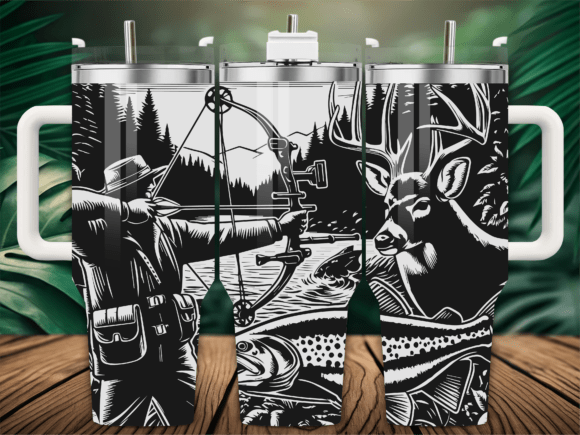
When I first opened the Hunting Fishing Hunter design file, I knew immediately this was not a quiet, subtle piece. This is a design that makes a statement. It carries the weight of outdoor tradition, the kind of visual storytelling that resonates with hunters, anglers, and anyone who spends time in the field or on the water. The composition feels grounded, masculine, and purposeful. As someone who has tested hundreds of embroidery files for real-world projects, I can tell you that a design like this lives or dies by how well it translates from screen to fabric. So let me walk through what I found when I put Hunting Fishing Hunter through its paces.
I recently took on a custom order for a client who wanted a personalized tote bag for his father, an avid outdoorsman. He wanted something that captured the essence of hunting and fishing without being cartoonish or overly aggressive. Hunting Fishing Hunter fit that brief perfectly. The design has a certain rugged elegance to it—detailed enough to feel authentic, but not so dense that it overwhelms the fabric. That balance is harder to find than most people realize, and it is what makes this design a practical choice for real embroidery work.
First Impressions and the Mood It Creates
The first thing I noticed about Hunting Fishing Hunter is its confident visual rhythm. The layout draws the eye across the piece in a natural way, with elements that feel connected without being cluttered. There is a sense of purpose here. This is not a design that tries to be cute or trendy. It feels like it was made for someone who actually hunts and fishes, not for someone who just likes the aesthetic. That kind of authenticity is rare in digital embroidery files, and it is exactly what your customers will notice when they hold a finished product in their hands.
From a thematic standpoint, this design belongs on rugged fabrics and practical products. Think canvas tote bags, heavyweight sweatshirts, denim jackets, aprons, and caps. It also works well on home decor items like pillow covers and kitchen towels, especially if you are aiming for a cabin or lodge feel. The visual personality is grounded, outdoorsy, and slightly nostalgic. It reminds me of the kind of embroidery you would find on a well-worn hunting vest or a tackle bag that has been passed down through seasons.
How It Performs in Real Embroidery Situations
I tested Hunting Fishing Hunter on a medium-weight canvas tote bag using a standard hoop size, and the results were clean across the board. The satin stitch elements held their shape well, and the fill stitch areas maintained good coverage without puckering. On a cotton sweatshirt, the design softened just enough to feel like a natural part of the garment rather than a stiff patch. If you are planning to use this for custom apparel, I recommend testing it on a similar fabric weight first. The design has enough detail that a lightweight or stretchy fabric might cause some distortion, especially in the finer lines and small accents.
For caps and curved surfaces, you will want to pay attention to the layout. Hunting Fishing Hunter has a horizontal orientation that sits nicely on a flat surface, but on a curved cap, you may need to adjust the placement or break the design into smaller elements. I have seen similar designs used successfully on hats, but it requires careful hooping and a good stabilizing plan. Do not skip the test stitch on a scrap cap before committing to the final product. A dense design on a curved surface can shift if the stabilizer is not right.
When it comes to patches, this design is a natural fit. The composition has enough visual weight to stand alone as a patch on a jacket, vest, or backpack. I would recommend using a thick tear-away stabilizer and a medium to high stitch density to ensure the patch holds its shape after washing. If you plan to sell embroidered patches featuring Hunting Fishing Hunter, make sure you check the licensing terms for commercial use. The file I received was listed under Crafts and Graphics, which typically allows for finished product sales, but you should verify before listing anything in your shop.
Where to Use This Design Carefully
On baby items or delicate fabrics, I would caution against using this design unless you scale it down significantly. The detail level is better suited for adult apparel, bags, and home decor items. Small hoop sizes can also be a challenge. If you try to squeeze Hunting Fishing Hunter into a 4x4 hoop, you risk losing the finer details that give the design its character. The satin stitch elements need room to breathe, and the fill stitch areas need enough space to register clearly. I recommend a medium to large hoop for the best results.
Textured fabrics like fleece, heavy knits, or waffle weave can also cause issues. The design may not lay flat on uneven surfaces, and the stitching can get lost in the texture. If you are working with a textured fabric, use a cut-away stabilizer and test a small section first. Dark fabric is another consideration. On a black or dark green background, you may need to adjust the thread colors or add a white underlay to keep the design visible. I always do a black and white mockup before stitching to check the contrast and identify any areas where the detail might get lost.
Visual Appeal, Product Value, and Customer Trust
Hunting Fishing Hunter has a confident, grounded look that translates directly into product value. When you put this design on a tote bag or a sweatshirt, it feels like a piece of gear, not just a decoration. That authenticity matters to customers. It builds trust and makes them feel good about their purchase. For small shop owners and Etsy sellers, this is the kind of design that can elevate a simple product into a memorable gift. A personalized tote bag with this embroidery feels intentional. It feels like something someone would actually use, not something that will sit in a closet.
From a branding perspective, Hunting Fishing Hunter works well for businesses that cater to the outdoor market. A hunting guide service, a fishing charter, or an outdoor gear shop could use this design on merchandise and have it feel consistent with their brand. It is not too busy, not too simple—it hits a middle ground that feels professional without being corporate. The design also works well for holiday gifts, especially for Father's Day, birthdays, or Christmas. I have seen similar designs sell well at craft fairs and on Etsy, especially when paired with a sturdy canvas or linen product.
Practical Designer Notes for Your Next Project
Before you stitch Hunting Fishing Hunter on your final product, test it on scrap fabric first. I always run a test stitch on a similar fabric weight and check the results in different lighting. Pay attention to the stitch density. If the file has areas that are too dense, you might get puckering on lighter fabrics. If it is too sparse, the design may look unfinished. I recommend using a medium-weight cut-away stabilizer for most applications, and a tear-away for patches. The design works best with a stable fabric that does not stretch or shift during stitching.
Thread color selection matters with this design. I recommend sticking to natural, earthy tones that match the outdoor theme. Olive green, brown, tan, and deep orange all work well. Avoid bright or neon colors—they will fight the mood of the design. If you are making a personalized gift, consider using the recipient's favorite outdoor colors or the colors of their favorite hunting or fishing brand. The thread palette you choose will affect how the design reads from a distance, so test a few combinations before settling on one.
Hoop size is another factor to confirm before you start. Hunting Fishing Hunter fits comfortably in a standard hoop, but if you are working with a small hoop, you may need to adjust the scale. If you scale it down too much, the fine details may become muddled. Keep the design at a size where the satin stitch and fill stitch elements have room to breathe. I found that the design works best at a medium to large scale, where the individual elements can be appreciated.
For Digital Product Sellers and Design Asset Creators
If you sell digital embroidery files, Hunting Fishing Hunter is a solid addition to your portfolio. It fits well in the Crafts and Graphics category, and it has a clear target audience. Make sure your listing includes clear photos of the design stitched out on different products. A printable mockup of the design on a tote bag or sweatshirt helps buyers visualize the finished product. I have found that listings with real stitched samples perform better than those with only digital previews. Buyers want to see how the design behaves on fabric, not just how it looks on a screen.
Before you sell finished products or digital files featuring Hunting Fishing Hunter, check the licensing terms. The description I received includes a standard allowance for finished product sales, but if you plan to sell the digital file itself or use it as part of a larger design asset pack, you need to confirm the terms. Every seller has different rules, and it is your responsibility to know what you are allowed to do. A quick review of the license will save you from potential issues down the road.
Final Thoughts on Hunting Fishing Hunter
Hunting Fishing Hunter delivers exactly what it promises. It is a well-composed design with a clear theme and strong visual identity. It is not a generic outdoor clipart piece. It feels like it was designed by someone who understands the lifestyle and the craft. For anyone in the embroidery business—whether you are a hobbyist making gifts for family or a small shop owner filling custom orders—this design is worth considering. It has the kind of staying power that keeps customers coming back, and it works across a range of products from custom apparel to handmade gifts.
If I were to sum up my experience with Hunting Fishing Hunter in one sentence, it would be this: it is a design that respects the craft and the customer. It does not try to be everything to everyone. It knows what it is, and it does it well. That is rare in the world of embroidery files, and it is something I always appreciate when I am preparing a project for a client or adding a new design to my own shop. Test it, stitch it, and see how it feels on your fabric. I think you will find that it earns a place in your regular rotation.