Wildflower Butterfly Graphics for Crafts and Publishing
When I first opened the Wildflower Butterfly design asset, I was struck by its delicate balance between organic charm and polished structure. As someone who has spent years building content websites, designing lead magnets, and crafting visual systems for publishers, I have learned to evaluate design assets not just for their beauty but for their real-world utility in editorial workflows. Wildflower Butterfly immediately felt like a piece that could serve multiple publishing roles without losing its visual integrity. Its mood is lifestyle-focused yet professional — soft enough to feel inviting, clean enough to sit beside modern typography, and detailed enough to stand alone as a decorative accent. For bloggers and digital publishers looking to elevate their visual communication, this graphic design asset offers a thoughtful entry point for building reader trust and reinforcing brand identity.
How Wildflower Butterfly Shapes Editorial Mood and Reader Perception
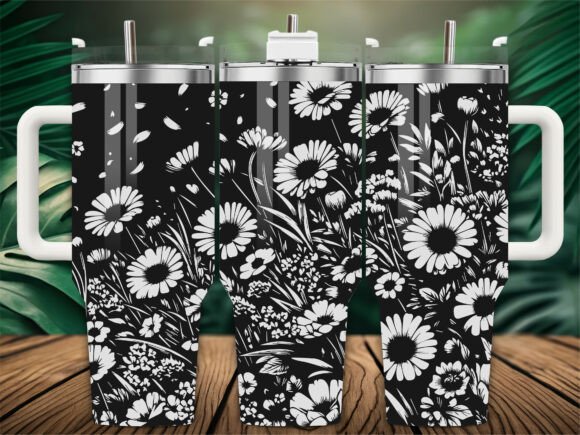
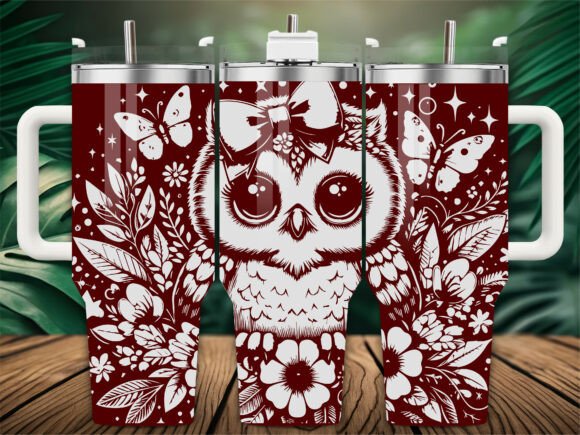
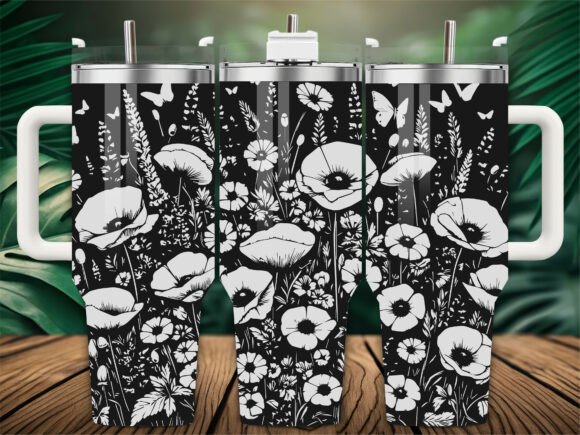
The first thing any publisher should consider is how a design asset affects the emotional tone of a website or content piece. Wildflower Butterfly leans into a natural, feminine, and slightly artistic aesthetic. It evokes the feeling of a lifestyle blog, a wellness guide, a seasonal printable, or a nature-inspired digital product. The butterfly motif paired with floral wildflower details creates a sense of lightness and growth — perfect for niches like personal development, home decor, journaling, motherhood, gardening, slow living, or creative entrepreneurship. Readers who encounter this design on a Pinterest pin or a blog header are likely to associate it with warmth, authenticity, and thoughtful curation. In editorial design, first impressions happen in milliseconds. A polished, cohesive visual like Wildflower Butterfly can signal to a visitor that the content behind the image is equally well crafted.
Real Publishing Workflows That Benefit from Wildflower Butterfly
In my own content production, I use design assets across a wide range of touchpoints. Wildflower Butterfly fits naturally into several key publishing scenarios. For blog featured images, it provides a soft, organic backdrop that allows headline text to pop — especially when paired with a clean sans serif or a gentle handwritten font. For Pinterest pins, the detail and spacing in the asset give room for overlaying bold, actionable titles without feeling cluttered. I could also see this asset working beautifully in newsletter headers, where a touch of nature-inspired design can increase open rates by creating a sense of familiarity and visual consistency. Beyond web use, Wildflower Butterfly is ideal for digital guides and lead magnets. Imagine a downloadable wellness planner, a seasonal recipe book, or a floral journaling kit — this design asset could serve as the cover art, section dividers, or accent elements throughout the pages. For affiliate marketers, having a cohesive visual system that includes such an asset helps products feel more curated and trustworthy. Small business owners and creative entrepreneurs can use it in media kits, social media graphics, and Canva templates to unify their brand identity across platforms.
Supporting Content Performance Through Visual Design
Every publisher knows that content performance is not just about what you write — it is about how that content is presented. Wildflower Butterfly strengthens the visual hierarchy of any page it touches. When used as a website header or article thumbnail, it draws the eye naturally and creates a clear focal point. This can improve click-through rates on blog feeds, category pages, and social media previews because the design signals quality before a single word is read. Stronger first impressions lead to longer dwell times and lower bounce rates — two metrics that matter deeply for organic search performance and reader retention. Brand identity also benefits from consistent use of such an asset. When readers see the same design language across your blog graphics, newsletter banners, and downloadable resources, they begin to associate that look with your voice. Over time, this builds visual recognition and trust. Whether you are publishing a weekly newsletter, launching a digital product, or running an affiliate campaign, the polish that Wildflower Butterfly adds can elevate the entire reader experience.
Where Wildflower Butterfly Performs Best in a Publishing Context
Through my own testing, I have found that this graphic design asset shines brightest in hero images, article thumbnails, and Pinterest pins. Its moderate level of detail works well at larger sizes, where the butterfly and floral elements can be fully appreciated. It also excels as a background for category visuals — for example, a "Wellness" or "Home & Garden" section header on a blog or online store. In editorial layouts, it can serve as a decorative accent beside pull quotes or at the end of articles. For content upgrades and lead magnets, the asset can be used as a cover design or as a repeating motif throughout a digital guide. Social media graphics, particularly for Instagram posts or Facebook ad creatives, benefit from the asset's ability to make a brand feel more lifestyle-oriented and approachable.
Places Where Wildflower Butterfly Deserves Careful Consideration
No single design asset works everywhere, and Wildflower Butterfly is no exception. In my experience, it should be used with caution on small mobile thumbnails where fine details may become lost or muddy. If the asset is compressed too aggressively for web performance, the delicate lines and texture can degrade, so proper image optimization is essential. It also may not be the best fit for text-heavy blog images where the background competes with body copy — unless contrast is carefully managed. Publishers working in serious professional niches like corporate finance, legal advice, or technical B2B content may find the aesthetic too soft for their audience. Similarly, websites that rely on a very minimal, grid-based visual system might struggle to integrate such a decorative element without disrupting the overall design language. As with any design asset, context is everything. Test it inside your actual layout before committing.
Practical Publisher Notes for Using Wildflower Butterfly in Production
Before I use any graphic design asset in a live publishing environment, I run through a checklist. Here is what I recommend for Wildflower Butterfly. First, test it on both desktop and mobile screens to ensure the details read well at different sizes. Preview it as a thumbnail in a blog feed — if the butterfly and flowers become indistinguishable, consider using a cropped version or simplifying the composition. Check contrast by placing headline text over the asset. Try it with a sans serif font, a serif font, and a handwritten font to see which pairing creates the most readable and visually pleasing result. I also test assets in black and white to evaluate their structure independent of color. For web performance, review the file size and compress images without losing detail — aim for a balance between quality and load speed. Finally, and this is critical, confirm the commercial license. If you are using Wildflower Butterfly on a monetized website, in affiliate content, or inside a paid digital product, you need to verify that your use case is covered. Licensing details vary across creative marketplaces, and the last thing any publisher wants is a legal hiccup after investing time in production.
Why Wildflower Butterfly Deserves a Place in Your Design Toolkit
After working with countless design assets over the years, I have developed a clear sense of what makes a graphic truly useful for publishing. Wildflower Butterfly offers a rare combination of editorial polish and creative flexibility. It can anchor a brand identity, enhance a digital product, or simply make a blog post feel more finished. For bloggers, publishers, content creators, and small business owners who care about visual communication, this asset is a solid addition to the toolkit. It supports better click-through potential, stronger reader trust, and a more professional content page — all without requiring advanced design skills. If you are building a visual system for your website, crafting lead magnets, or simply looking to refresh your social media graphics, Wildflower Butterfly is worth serious consideration. Test it in your workflow, pair it with intentional typography, and let it work for your content.