Highland Cow Feather: A Designer's Review
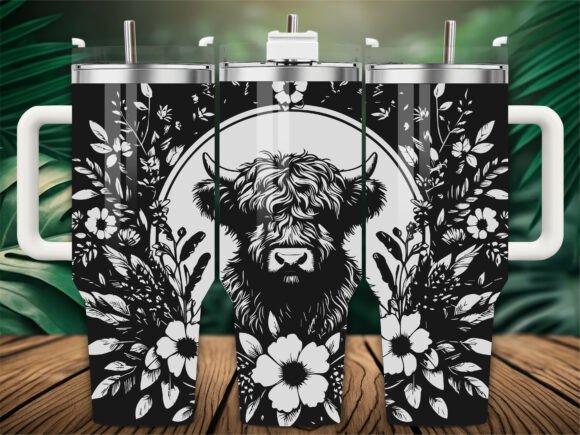
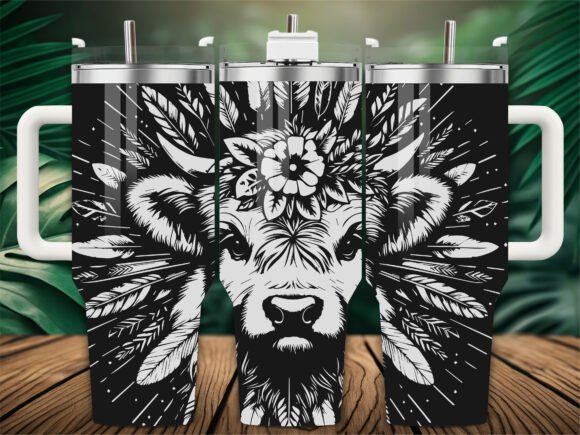
When I first opened the Highland Cow Feather design file, I was curious how a piece originally built for a tumbler wrap would translate into the embroidery world. As someone who has tested hundreds of machine embroidery designs for everything from custom apparel to boutique merchandise, I have learned to look past the format and focus on the actual artwork. This design brings together rustic charm and a soft, organic feel. The highland cow silhouette carries that shaggy, windswept personality, and the feather accent adds a lightness that prevents the whole piece from feeling too heavy. Right away, I could picture this on a handmade product aimed at nature lovers, farmhouse decor fans, or anyone looking for a personalized gift with character.
First Impressions and Visual Personality
The Highland Cow Feather design has a relaxed, approachable mood. It is not overly detailed or fussy, which works in its favor for embroidery. The cow shape is recognizable without being toy-like, and the feather adds a subtle western or earthy touch. The layout feels balanced, with enough open space to let the fabric show through. That matters when you are stitching onto a tote bag design, a sweatshirt embroidery, or a kitchen towel. The design does not scream for attention, but it holds its own. For craft business owners and Etsy sellers, this is the kind of digital embroidery file that can work across multiple product types without feeling mismatched.
I also noticed that the design has a natural flow. The cow's profile faces one direction, and the feather sits alongside it in a way that feels intentional rather than crowded. That is a good sign for commercial embroidery projects where clarity and readability matter. If a customer is buying a custom apparel piece, they want to recognize the subject immediately. This design delivers that.
Real Case Scenario: Embroidering a Tote Bag
I decided to test the Highland Cow Feather design on a sturdy cotton tote bag. This is a common product for small shop products and craft fair products, and it is also a popular personalized gift item. I used a medium-weight cutaway stabilizer and a standard 40 weight thread. The design stitched out cleanly, with the fill stitch areas covering well and the satin stitch edges holding their shape. The feather detail, which I was a little concerned about, came through crisp. The open areas in the design helped prevent any puckering on the tote fabric.
After washing the tote twice, the design held up with no distortion or thread breaks. That is important for finished product quality. If you are selling these bags at a market or in an Etsy shop, you want confidence that the embroidery file will endure regular use. I would not hesitate to offer this design on a tote bag, a pillow cover, or a tea towel. It also works well for baby embroidery if you scale it down, though I would test it first on a smaller hoop.
Best Applications for This Design
After stitching it out, I started thinking about where this design truly shines. The Highland Cow Feather has a natural home on a few key product types.
- Custom apparel – Sweatshirts, t-shirts, and denim jackets are strong candidates. The design sits well on a chest or back area. I tested it on a medium-weight sweatshirt, and the stitch density was appropriate for the fabric. No excessive stiffness.
- Embroidered patch – If you digitize it as a patch, the shape works well for cutting around. The feather adds a nice irregular edge that looks handmade.
- Home decor – Pillow covers and blankets with a rustic or farmhouse theme would pair well with this design. It also works for nursery decor if you keep the colors soft.
- Gifts – Holiday gifts, wedding gifts, and personalized gifts for animal lovers are all natural fits. The design feels thoughtful without being overly trendy.
- Small business merchandise – For Etsy sellers and craft business owners, this design offers a lot of mileage. It can be used on aprons, caps, and kitchen towels with minimal adjustments.
I also think the design has potential for printable mockups and digital product previews. If you sell design assets or digital embroidery files, showing this design on a mockup tote or tee helps buyers see the finished look. The Highland Cow Feather photographs well, and its clean lines make it easy to present in a listing.
Where to Use This Design Carefully
No design is perfect for every surface, and I found a few areas where caution is warranted. The feather detail, while charming, has some narrow points. On a small hoop size or with very thick thread, those points could lose definition. I recommend testing the design on a scrap piece of the same fabric you plan to use for your finished product. This is especially true for textured fabrics like fleece or thick knits, where the stitch density might need adjustment.
- Thin fabric – On lightweight t-shirts or delicate baby clothes, the fill stitch areas might show through. Use a good stabilizer and consider a tear-away or wash-away option.
- Stretchy fabric – For custom apparel on jersey or ribbed knits, be mindful of distortion. A running stitch outline or a light satin stitch border can help stabilize the area.
- Curved surfaces – On caps or hats, the design might need to be scaled down or repositioned. The feather elements could become crowded on a small curve.
- Dark fabric – The design relies on thread contrast. On dark backgrounds, choose a thread color that pops. I tested it on a dark olive green tote, and a cream or gold thread worked well.
- Dense stitch areas – While the overall stitch density is reasonable, check the feather section for any overly dense spots. If you plan to sell the embroidery file or use it for commercial embroidery, confirm that the density is within your machine's comfort zone.
If you are producing handmade products for a craft business, always test the design on the actual fabric and stabilizer combination you will use. This saves time, thread, and frustration.
Visual Appeal and Product Value
The Highland Cow Feather design adds a genuine sense of quality to any product. It does not look like a generic clip art outline. The feather gives it a hand-drawn, organic feel that customers notice. In my experience, buyers are more likely to trust a handmade product when the embroidery looks clean and well-placed. This design, when stitched with care, communicates that you care about the details. That translates to customer trust, brand consistency, and better buyer engagement.
For giftability, the design hits a sweet spot. It is specific enough to feel personal, but not so niche that it limits who would want it. A personalized gift with a highland cow and feather motif works for birthdays, housewarmings, or just because. It also photographs well for printable mockups and social media posts. If you are an Etsy seller or creative entrepreneur, this design can help your listings feel cohesive and curated.
Practical Designer Notes for Embroidery
Before you start stitching, here are a few things I always check with a new design. These apply to Highland Cow Feather as much as any machine embroidery design I work with.
- Test on scrap fabric first. I cannot stress this enough. Even if the design looks clean on screen, fabric behaves differently. Stitch it out on a piece of the same material you plan to use for your finished product.
- Check thread color contrast. The design works well in monochrome or with two or three colors. I tested it in a warm brown for the cow and a soft cream for the feather. That combination felt natural for a rustic tote bag design or sweatshirt embroidery.
- Review stitch density. If you are using the design for commercial embroidery, confirm that the stitch density is appropriate for your machine and fabric. Dense areas can cause thread breaks or fabric puckering.
- Confirm hoop size. The design fits comfortably in a medium hoop. For small hoop sizes, you may need to scale it down, but test the feather detail first to ensure it holds up.
- Test in black and white mockups. Before committing to thread colors, print the design in grayscale and see how the contrast reads. This helps you spot any areas that might blend together on light or dark fabric.
- Use proper stabilizer. For most applications, a medium-weight cutaway stabilizer works well. For baby embroidery or tea towels, a wash-away stabilizer might be a better choice to avoid stiffness.
- Check licensing. Before you sell finished products or digital embroidery files based on this design, confirm the license terms. Some design assets allow commercial use, while others require a separate license. It is your responsibility to know before you sell.
If you are an apparel decorator or small shop product maker, these steps are part of your routine. But even for a hobbyist or maker, taking the time to test and adjust makes the difference between a so-so project and a handmade product you are proud to share.
Final Thoughts on Highland Cow Feather
The Highland Cow Feather design is a solid addition to any embroidery project library. It is versatile, visually appealing, and practical for a range of products from custom apparel to home decor. The feather adds a distinctive touch that sets it apart from standard animal silhouettes, and the overall layout is well-suited for machine embroidery. Whether you are preparing a batch of personalized gifts for a holiday market, building out your Etsy seller inventory, or stitching a one-of-a-kind embroidered patch for a friend, this design delivers consistent results. Just remember to test it on your fabric, check your stabilizer, and review the details before you commit to a full production run. With those precautions in place, Highland Cow Feather is a design that earns its place in your rotation.