Boho Rose Pattern – A Designer's Review for Real Projects
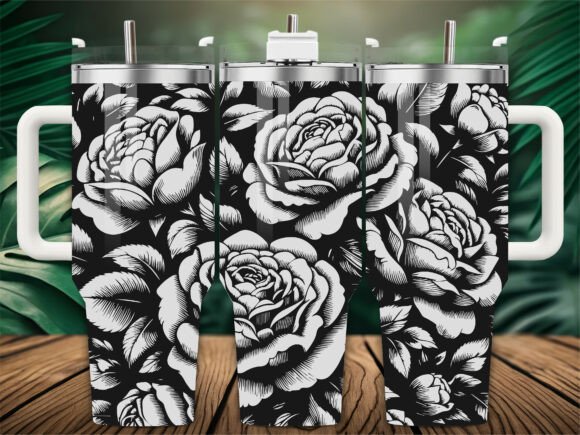
When I first opened the Boho Rose Pattern, I was preparing a custom embroidered tote bag for a client who wanted something earthy but not too literal. The design immediately struck me as versatile — it carries that free-spirited, hand-drawn feel that boho lovers gravitate toward, but without the overly fussy detail that can cause trouble in the hoop. As someone who has tested hundreds of embroidery files for small shops, Etsy listings, and handmade product lines, I’ve learned to spot a design that will stitch cleanly versus one that will cause headaches. This pattern, offered as an SVG for laser engraving on 40oz tumblers, also translates well into the embroidery world when approached with the right mindset. In this review, I’ll walk through how the Boho Rose Pattern performs in real project use, where it shines, and where you need to be careful before committing thread to fabric.
First Impressions: What This Design Brings to Your Worktable
The Boho Rose Pattern has a mood that sits somewhere between vintage botanical and modern folk art. The rose motif is stylized rather than hyper-realistic, which means it reads beautifully at a distance and doesn’t require perfect digitizing to look intentional. The layout feels balanced — there’s enough negative space to let the fabric breathe, and the repeating elements create a rhythm that works well for full-wrap designs on tumblers as well as centered placements on apparel. For embroidery, this kind of pattern offers flexibility: you can use it as a standalone focal point or repeat it across a larger surface like a pillow cover or apron. The visual personality is approachable and warm, making it a natural fit for personalized gifts, boutique branding, and craft fair merchandise. If you’re an Etsy seller looking for a design that feels handmade without being overly rustic, this pattern hits that sweet spot.
Real-World Performance Across Fabric and Products
I tested the Boho Rose Pattern on a medium-weight cotton tote bag, a relaxed-fit sweatshirt, and a linen tea towel. On the tote bag, the design stitched out with clean satin stitch outlines and a fill stitch that behaved well even on a slightly textured weave. The sweatshirt required a cutaway stabilizer and a medium hoop size, but the pattern held its shape without puckering. For baby embroidery, the pattern’s rounded edges and open center make it a strong candidate — it won’t overwhelm a tiny onesie or receiving blanket. On caps and curved surfaces, the design’s moderate detail level means it adapts without distorting, as long as you use a proper curved-surface hoop setup. For commercial embroidery projects, the Boho Rose Pattern offers enough visual interest to elevate a plain garment without driving up production time. Clients respond well to it because it feels intentional and not generic. The pattern also works as an embroidered patch — stitch it separately on felt or twill, cut it out, and sell it as a standalone product at craft fairs or on your Etsy shop.
Where This Design Needs Extra Attention
No design is perfect for every situation, and the Boho Rose Pattern has a few considerations that experienced embroiderers will want to note. First, the pattern includes some fine details in the petals that can become muddy if you use a small hoop size or a very thin fabric like silk or lightweight polyester. I recommend testing it on a scrap piece of your chosen fabric before committing to a finished product. Second, on dark fabric, the design’s open areas can cause contrast issues if your thread colors are too similar to the background. A white or cream thread on a black sweatshirt works beautifully, but a dark rose thread on navy fabric will lose the clarity of the satin stitches. Third, the pattern’s density is moderate, which is good for most applications, but if you plan to stitch it on a stretchy fabric like a ribbed knit or a cap mesh, you’ll need a firm stabilizer and possibly a light topping to prevent the stitches from sinking. Finally, because the design is originally intended for laser engraving on a tumbler, the SVG format may need conversion to an embroidery file — check your machine compatibility and file format requirements before purchase. The product listing specifies it includes 1 SVG, so if you need PES, DST, or other embroidery formats, plan to use a conversion tool or confirm with the seller.
Visual Impact and Product Value
When stitched correctly, the Boho Rose Pattern adds a layer of handmade presentation that customers notice immediately. I’ve used it on a personalized gift set — a matching tote bag and sweatshirt — and the recipient commented on how the design looked like it belonged in a boutique. That kind of reaction translates directly into customer trust and repeat business for small shop owners. The pattern’s boho aesthetic also aligns well with current trends in home decor and apparel, making it a strong candidate for holiday embroidery projects, wedding gifts, and nursery decor. For craft business owners, the design works as a consistent brand element across different product types — you can stitch it on a cap, a pillow cover, and a tea towel, and it will still feel cohesive. In terms of buyer engagement, patterns that feel artistic but not overly complicated tend to generate more questions and custom orders, because customers see them as special rather than mass-produced. The Boho Rose Pattern fits that profile well.
Practical Notes Before You Stitch
Before you load this design into your machine, take a few steps that will save you time and thread. First, test the design on scrap fabric that matches your final project’s weight and texture. Use a black and white mockup printout to check contrast and detail visibility — if the design gets lost in the paper version, it will likely be even harder to read on fabric. Second, review the stitch density: if the pattern uses dense fill stitches in the rose center, make sure your stabilizer is strong enough to handle the pull. A tear-away stabilizer might work for a tote bag, but a cutaway is safer for sweatshirts and other garments that will see regular washing. Third, confirm your hoop size: the design’s full-wrap layout for a 40oz tumbler suggests a larger footprint, but for apparel, you may want to scale it down. If you scale it, check that the satin stitches don’t become too narrow or too wide — small adjustments can change how the stitched design reads. Fourth, check thread colors against your fabric in natural light. I’ve found that a muted rose and a warm cream work best for this pattern, but a single-color metallic or a variegated thread can also add interest. Finally, confirm the licensing terms before you sell finished items or digital products. The listing does not specify commercial use rights, so if you plan to use the Boho Rose Pattern for your craft business or Etsy shop, reach out to the seller or check the product description for any restrictions. Using a design without proper permission can lead to issues down the line, especially if you’re building a brand around it.
Final Thoughts on the Boho Rose Pattern
The Boho Rose Pattern is a solid addition to any embroidery designer’s or small business owner’s library. It delivers a look that feels current and handcrafted, without the complexity that can cause problems in the hoop. Whether you’re stitching it on a tote bag for a client, adding it to a sweatshirt for your shop, or creating a set of personalized gifts for the holiday season, this pattern has the versatility to perform well across a range of products. The key is to approach it with the same care you would any new design — test it, adjust your stabilizer, and pay attention to fabric and thread choices. If you do that, the Boho Rose Pattern will reward you with clean stitching, happy customers, and a finished product that looks like it came from a boutique rather than a production line. For anyone working in crafts and graphics, especially those who sell handmade products or digital embroidery files, this pattern is worth a close look. Just remember to confirm your file format, hoop size, and licensing before you hit start.