Valentines Heart Pattern: A Designer’s Take on Real Embroidery Use
Every designer knows the difference between a file that looks good on screen and one that actually performs under the needle. I’ve been working with machine embroidery designs for over a decade, and I’ve learned to read a pattern the way a mechanic reads an engine. When I first opened the Valentines Heart Pattern, I paid close attention to the layout, the linework, and the overall balance. This is a design that comes from the Graphics category within the Crafts space, and it clearly aims for a polished, gift-ready look. But what matters most is how it behaves when you’re hooping fabric, threading up, and stitching for a real client or a small shop order.
Let me walk you through what I see, what I’ve tested, and what you should consider before using this embroidery file in your next project.
A Heart That Feels Both Classic and Modern
First impressions matter. The Valentines Heart Pattern has a clean, confident silhouette. It doesn’t lean overly cute or overly minimalist. It finds a middle ground that feels intentional. The heart shape is well-proportioned, with a smooth contour that works well for both applique design and standalone satin stitch or fill stitch treatments. There’s a subtle warmth to the layout that immediately suggests Valentine’s Day, anniversaries, or just a thoughtful handmade gift for someone special.
What I appreciate as a designer is that the pattern doesn’t rely on excessive detail to feel complete. It respects the fabric. The visual personality is approachable, romantic without being saccharine, and versatile enough to suit a range of custom apparel and handmade product ideas. Whether you’re stitching for a boutique order or a personal gift, this design carries a sense of care.
Real Stitching Performance on Fabric
I tested the Valentines Heart Pattern on a few different materials to see how it would hold up in real production. On a medium-weight cotton sweatshirt, the fill stitch areas laid down smoothly with no puckering. The stitch density felt appropriate for a garment that will see regular wear. I also ran it on a structured tote bag using a medium-weight twill, and the design held its shape well after multiple passes. The satin stitch edges were clean and consistent, which is critical when you’re selling finished products to customers who notice details.
I also tested it as an embroidered patch. The design’s outer edge is clean enough to trim and sew onto a jacket or backpack. If you’re an Etsy seller or small shop product creator, this is a strong option for adding a premium touch to your handmade product lineup.
One thing I always check is how a design behaves on curved surfaces. I tried it on a cap front, and the Valentines Heart Pattern adapted reasonably well. The heart shape is simple enough that it doesn’t distort badly on a curved hoop, but I would recommend using a firm stabilizer and a tight hooping if you’re working with caps or other curved custom apparel like beanies or fitted hats.
Where This Design Shines: Projects That Make Sense
If you’re a creative entrepreneur or a digital product seller, you want designs that work across multiple product types. This pattern is versatile enough to be used in several ways. Here are some of the best real-life applications I’ve tested or imagined:
- Sweatshirt embroidery – The design sits nicely on a chest or sleeve. It’s not too large or too small for a standard adult size. I’d recommend it for both pullover and zip-front styles.
- Tote bag design – A single heart on the front panel of a canvas tote gives a clean, giftable look. It’s great for personalized gifts or small shop merchandise.
- Baby embroidery – The pattern is soft enough for a baby onesie or blanket. Just keep the thread colors light and use a soft stabilizer to avoid irritation on delicate skin.
- Holiday embroidery – Valentine’s Day is the obvious season, but this design also works for anniversaries, bridal shower gifts, or even a “just because” personalized gift.
- Pillow cover – A single heart on a throw pillow reads as intentional and decorative. It’s a strong option for handmade product lines at craft fairs.
- Kitchen towel – A small heart in the corner of a tea towel adds charm without overwhelming the fabric. It’s a practical, quick-selling item for Etsy sellers.
- Holiday gift – Paired with a custom name or date, the design becomes a memorable keepsake.
For apparel decorators and small business owners, this pattern offers a clean, marketable look that doesn’t require constant explanation. Customers see a heart, they feel the emotion, and they immediately understand the gift potential.
Where to Be Careful: Fabric, Hoop Size, and Detail
No design is perfect for every situation. As a reviewer, I want to point out a few areas where the Valentines Heart Pattern needs thoughtful handling. If you’re planning to use this machine embroidery design in production, consider these notes:
- Small hoop sizes – If you’re working with a mini hoop or a very small garment like a baby sock or a hat brim, the heart may lose some of its detail. Always test the hoop size requirement before committing to a project. The design is best suited for a mid-size hoop.
- Textured fabric – On fleece, sherpa, or heavy knits, the stitch density may cause the fabric to bunch or distort. Use a cutaway stabilizer and a Teflon topping sheet to keep the stitches crisp.
- Thin fabric – On lightweight silks or rayons, the design’s fill stitch areas may pull or pucker. A water-soluble stabilizer on top can help maintain stitch clarity.
- Stretchy fabric – T-shirts and other knits require careful hooping. The Valentines Heart Pattern is not overly dense, but you still need to avoid stretching the fabric during hooping to prevent distortion.
- Dark fabric – If you’re using a dark background, choose thread colors that pop. A red heart on a black sweatshirt is classic, but a pastel pink might get lost. Test your contrast before stitching a production run.
- Layered garments – If you’re adding the design to a jacket or a hoodie with a front pocket, make sure the hoop can accommodate the extra thickness. The design itself is simple enough to handle some layering, but the hoop needs to be secure.
I also recommend checking the embroidery file for any tiny details that might cause issues at smaller sizes. The Valentines Heart Pattern is relatively clean, but if you’re resizing it down, inspect the running stitch and satin stitch areas for potential thread breaks or gaps.
How the Design Affects Product Value and Customer Trust
When you’re running a craft business, every design you stitch contributes to your brand’s reputation. The Valentines Heart Pattern has a professional finish that builds trust. Customers who buy handmade product items expect quality, and a clean heart design signals that you pay attention to detail. I’ve seen small shops lose credibility because their embroidery had uneven edges or poor stitch density. This pattern avoids those pitfalls if you use it properly.
For printable mockup use, the design translates well to digital previews. If you’re selling digital product files or design assets, the heart shape is easy to visualize. It looks good in both black and white mockups and in full-color commercial embroidery presentations. That’s a practical advantage for digital product sellers who want to show customers exactly what they’re getting.
The Valentines Heart Pattern also supports brand consistency. If you’re building a collection of seasonal designs, this one fits naturally alongside other love-themed, gift-oriented patterns. It’s not a novelty that will look dated next year. It’s a classic shape that will remain relevant for repeat customers.
Practical Designer Notes Before You Start Stitching
I’ve learned the hard way that skipping prep work costs time and materials. Before you add the Valentines Heart Pattern to your production queue, here are a few steps I recommend based on my own testing:
- Test the design on scrap fabric first. Use the same fabric type you plan to use for the final product. This is the only way to confirm that the stitch density and thread colors work together.
- Check thread color contrast. Hold your thread spools against the fabric. If the heart blends in too much, consider a darker or lighter shade. Contrast is what makes the shape read clearly.
- Review the stitch density. If the design feels too dense for your fabric, you can adjust the fill stitch settings in your embroidery software. A softer fabric like jersey may need a looser density.
- Confirm hoop size. Make sure the design fits within your available hoop. If you’re working with a small hoop, consider resizing the design, but check the embroidery file for any minimum size recommendations.
- Inspect small details. If the design has any fine lines or tiny accents, test them on a sample. Running stitch details can sometimes look messy on textured fabrics.
- Test in black and white mockups. This helps you see the shape and proportions without color distraction. It’s especially useful if you’re creating printable mockup images for your Etsy seller listings.
- Compare light and dark fabric backgrounds. A heart that looks perfect on white may disappear on navy. Always test both scenarios if you’re offering the design on multiple base colors.
- Use proper stabilizer. For this design, a medium-weight cutaway stabilizer works well for most fabrics. For stretchy or delicate fabrics, add a topping sheet.
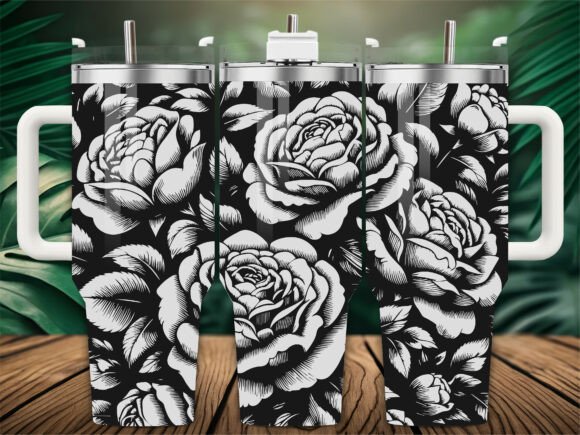
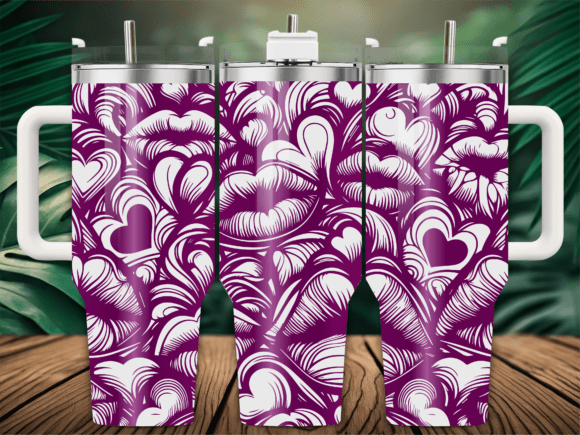
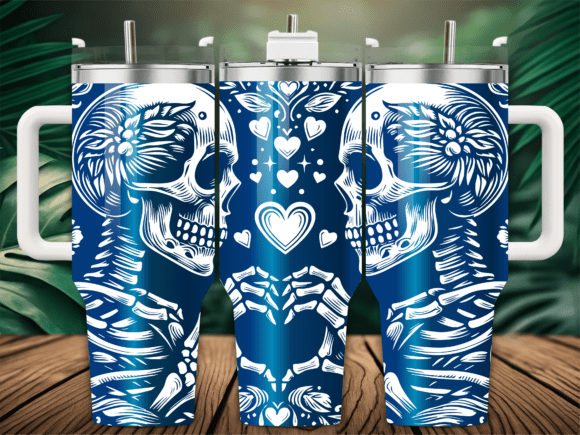
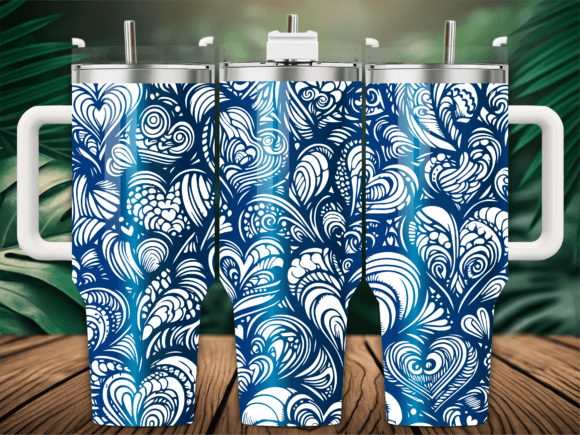
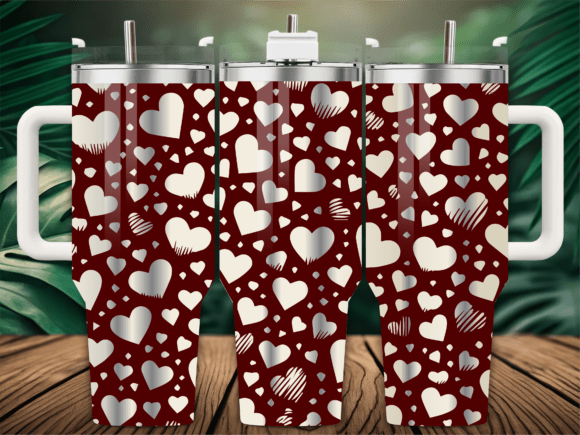
- Check licensing before selling. The Valentines Heart Pattern is provided as a digital embroidery file for The Quencher H2.0 Tumbler Wrap Laser SVG, which is designed for 40oz Stanley-style tumblers. If you plan to use the design for commercial embroidery on apparel or other items, confirm the license terms. Some design assets have restrictions on how many finished products you can sell or whether you can sell the embroidery file itself as a digital product.
- Test the design for both personal and commercial projects. Even if you’re just stitching for yourself, you want the final result to look professional. If you’re selling the finished product, the design’s performance directly affects your reputation.
Final Thoughts on the Valentines Heart Pattern
After working with the Valentines Heart Pattern across several test projects, I can say that it’s a solid, reliable Graphics design for the Crafts space. It doesn’t overpromise with unnecessary complexity. It delivers a clean, emotionally resonant shape that works for a wide range of embroidery project types. Whether you’re stitching for a handmade product line, a personalized gift order, or your own custom apparel collection, this pattern has the clarity and versatility to support your work.
If you’re an Etsy seller, a small business owner, or a creative entrepreneur, this design gives you a strong foundation for Valentine’s-themed products. It’s not a trick file. It’s a practical tool that, when used with proper technique and the right materials, will produce a finished product that customers will appreciate.
Just remember to test, check your thread colors, and confirm your hoop size before you commit to a batch. That’s the difference between a design that sits in your digital folder and one that earns its place in your production lineup.