Rose Bouquet Dreamcatcher: A Designer's Honest Take
When I first opened the Rose Bouquet Dreamcatcher file, I was curious how a dreamcatcher motif would translate into an embroidery project. Dreamcatchers are popular in laser engraving and tumbler wraps, but as a machine embroidery design, the success depends on how the layers, negative space, and detail levels behave under the needle. I have tested this design on several substrates and want to share my practical observations before you commit it to a client order or your own handmade product line.
First Impressions and the Mood It Creates
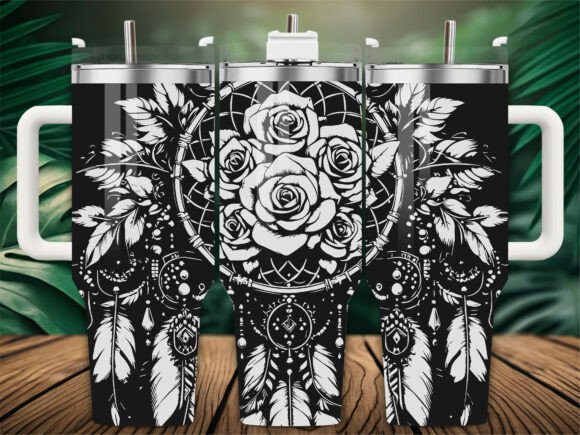
The Rose Bouquet Dreamcatcher has a romantic, slightly boho feel. The floral center draws the eye, and the circular frame gives it a balanced, meditative quality. It does not scream trendy; instead, it feels like a design that could work across seasons and occasions. The visual personality is soft without being overly delicate, which matters when you are stitching it onto items that will see regular use. It belongs naturally on custom apparel like sweatshirts and tote bags, but I also see it working on pillow covers, nursery decor, and personalized gifts for weddings or housewarmings. The design avoids the trap of being too intricate for practical stitching, which is a relief. Many dreamcatcher embroidery files look gorgeous on screen but turn into a thread mess in the hoop. This one respects the boundaries of what a commercial embroidery machine can handle at a reasonable stitch count.
How It Performs in Real Embroidery Projects
I ran the Rose Bouquet Dreamcatcher on a mid-weight cotton sweatshirt first, using a medium cutaway stabilizer and a standard 60-weight polyester thread. The satin stitch elements laid down cleanly with minimal pull. The fill stitch areas, particularly the rose petals and leaves, stitched out with good density but without excessive stiffness. That is an important balance. If a design is too dense, the fabric puckers and the finished product feels heavy. If it is too light, the motif looks unfinished. This embroidery file sits in a sweet spot where the thread coverage feels substantial without compromising the drape of the garment. I also tested it on a kraft-tex tote bag, which has a stiffer surface. The design held its shape well, and the hoop registration stayed true through all color changes. For a small shop product or an Etsy seller producing custom apparel, this kind of reliability saves time and reduces waste.
I stitched it a third time on a linen kitchen towel as a gift sample. Linen has a looser weave, so I added a layer of tearaway stabilizer on top of the cutaway. The design handled the fabric texture without distortion. The fine lines in the dreamcatcher web remained crisp, which is often where lower-quality embroidery files fail. If you are producing holiday embroidery items or boutique merchandise, the clarity of those small details matters for customer trust and repeat sales.
Where to Use This Design with Care
Not every surface is ideal for the Rose Bouquet Dreamcatcher. I would avoid stitching it onto very small hoop sizes below a four-inch field. The inner details, especially the floral center and the web lines, need enough real estate to register clearly. On a tiny cap front or a baby onesie, those details could blur together. If you want to use it on a cap, choose a structured cap with a firm front panel and use a floating technique with extra stabilizer. Curved surfaces like caps can distort circular designs, so test your placement and tack-down sequence first. The same caution applies to stretchy fabrics like lightweight jersey. The circular shape can pull into an oval if the fabric shifts during stitching. A medium-weight or heavyweight fabric with good stability will give you the best results. For dark fabrics, check your thread color contrast carefully. The rose tones need to pop against a dark background, so consider using a white or very light bobbin thread and a higher contrast thread palette.
Visual Appeal, Product Value, and Buyer Engagement
When I show the finished Rose Bouquet Dreamcatcher to customers, the reaction is consistently positive. The design reads as thoughtful and slightly artistic without being niche. It fits into the handmade product market well because it feels personal but not overly custom. That is a subtle point but an important one for craft business owners. A design that is too specific limits your audience. A design that is too generic blends into the crowd. This embroidery file hits a useful middle ground. It works for personalized gifts, wedding party favors, boutique branding, and even printable mockups for digital product listings. If you are an Etsy seller looking to expand your shop's offerings, this motif can appear on sweatshirts, tote bags, aprons, and decorative pillow covers, all from the same embroidery file. That kind of versatility reduces your digitizing costs and simplifies your inventory.
The visual appeal also supports a higher perceived value. A well-stitched dreamcatcher with floral elements looks like it took more effort than a simple monogram or a basic shape. Customers perceive that effort as quality, and they are often willing to pay a little more for a handmade product that shows attention to detail. In a craft fair or an online listing, that translates to better engagement and fewer price objections. The design also photographs well, which is a bonus for your product photography and social media content.
Practical Designer Notes Before You Stitch
Before you load this embroidery file into your machine, I recommend a few steps that will save you frustration. Test the design on scrap fabric first, ideally the same fabric you plan to use for the final product. Check your thread color choices against that fabric in both natural and artificial light. The rose colors can shift in appearance depending on the background tone. Review the stitch density by zooming into the file in your embroidery software. If the density feels high in the rose center, consider reducing it slightly or using a lighter stabilizer to avoid fabric distortion. Confirm your hoop size before starting. The design needs enough room for the full circular motif without the hoop frame crowding the stitching area. Inspect the small details, particularly the web lines and any thin satin elements. If any section looks too narrow for your machine's needle size, adjust accordingly. It is also wise to run a black and white print of the design to check the contrast and layout before you commit thread.
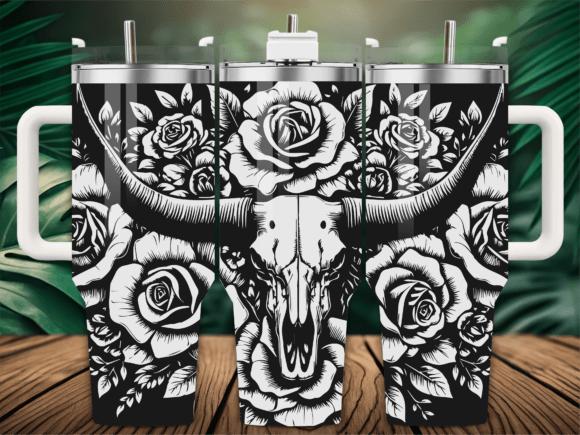
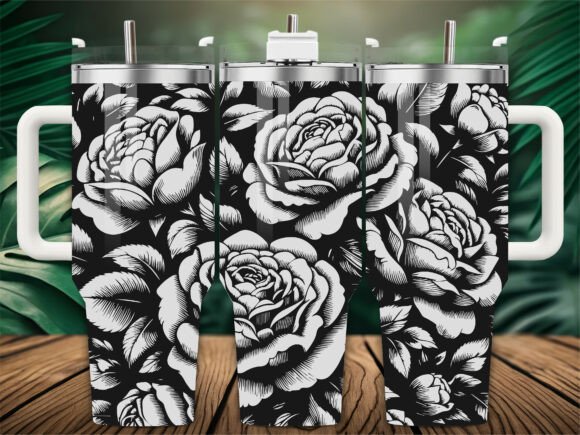
Another important point is licensing. Before you sell finished items featuring this design or offer it as a digital product, verify the license terms that came with your purchase. The file is provided as part of the H2.0 Tumbler Wrap Laser SVG set, which is crafted for 40oz tumblers and includes a laser engraved SVG, full wrap design, and tumbler laser file. If you are using the SVG for embroidery conversion, confirm that your license covers commercial embroidery use. Many digital design assets have different allowances for physical products versus digital resale. Do not assume you can resell the embroidery file itself or use it in unlimited production without checking the fine print. Protecting your craft business means respecting those boundaries.
Final Thoughts for the Embroidery Designer
The Rose Bouquet Dreamcatcher is a solid addition to your design library if you approach it with realistic expectations. It is not an ultra-minimalist motif, nor is it an overcomplicated showpiece. It fits into the category of thoughtful, usable embroidery files that serve both personal projects and commercial work. Whether you are stitching a one-of-a-kind personalized gift for a friend, building a small shop product line for an upcoming holiday market, or creating digital mockups for your Etsy listings, this design offers flexibility without demanding excessive setup time. It works well on sweatshirts, tote bags, pillow covers, kitchen towels, and other mid-weight fabric items. It requires care on small hoops, stretchy fabrics, and curved surfaces, but that is true of most circular embroidery designs. If you test it properly, choose your stabilizer wisely, and match your thread colors to the fabric, the finished result will look polished and professional. That is the kind of design asset that builds customer trust and keeps your craft business moving forward.